
Dental Implants in Inverness
Dental Implants: From Missing Teeth to a Radiant Smile
If you are looking for an implant dentist in Inverness, we can help. We offer high-quality dental implant treatment tailored to your individual needs. Following a detailed examination, we will discuss our clinical findings and offer the best approach and best quality of Teeth Implants in Inverness. Over the past few years, Dental implants have become highly sought-after due to their high success rate and versatility.
Overview
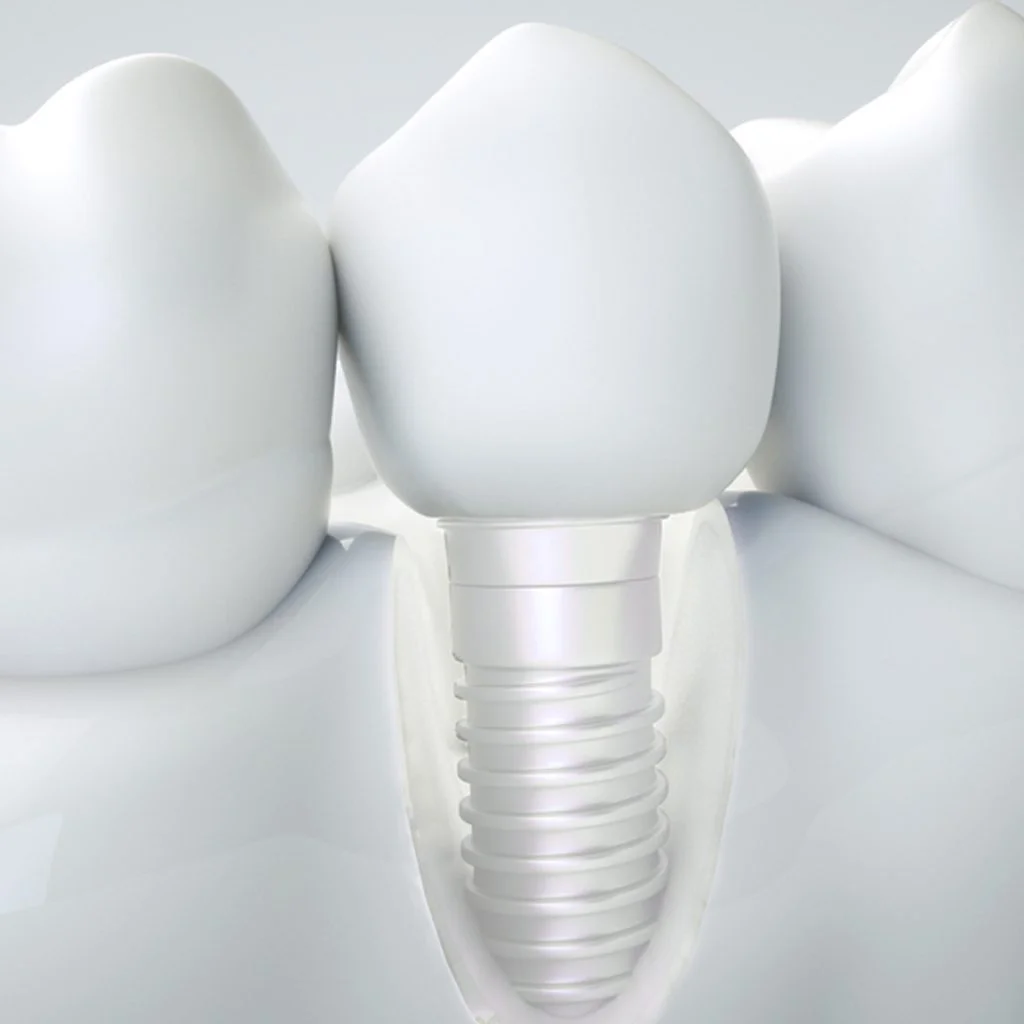
Traditionally, bridges or dentures replace missing teeth and are aesthetically appealing. However, bridges need the support of neighbouring teeth. Dentures are bulky and tend to move and most people feel uncomfortable with them. Dental Implants at Inverness Dental and Implant Centre prove a better alternative. Implants are made from titanium alloy, implants mimic the root of a tooth and require adequate jawbone for placement.
We use advanced technology to assess bone volume and if needed, we’ll prepare you for implant placement. After the treatment, you need to look after them like your natural teeth and have proper hygiene routing to avoid inflammation. This is because inflammation can lead to the failure of implants. Get the Best Dental Implants in Inverness now. Book your consultation with our implantologist now.
Start your journey
Get an online consultation or visit our clinics.
Call us now
Let's discuss your needs and book you in.
Clinic Address
Stoneyfield Business Park, Inverness, Scotland, IV2 7PA
Have a question?
Speak with Our Expert Clinicians!
Dental Implants - Why?
Dental implants in Inverness have become the benchmark of tooth replacement because of their high success rate and adaptability.
- Restore your natural smile
- Experience comfort with secure implants.
- Speak clearly and confidently with implants.
- Enjoy a permanent solution for lost teeth.
Replace a Missing Tooth Effectively With Dental Implants.
Teeth implants in Inverness provide stability to improve and enhance your eating, chewing and speaking abilities.

Simple 3 Step Plan

Dental Check-Ups and 3D Imaging

Implant Insertion

Crown attachment to Implant
What Are Dental Implants?
Dental implants have gained popularity as a suitable treatment for missing teeth due to their natural appearance and durability. Inverness Dental and Implant Centre provides full-mouth and mini dental implants. These implants are preferred over other dental procedures due to their natural appearance and low care requirements. Dental implants, which are made of high-quality materials such as titanium, merge neatly with the jawbone and give a solid basis for replacement teeth.
Titanium alloy is used in this process and it induces side effects in the body. This makes implants an appealing option to restore jawbone density and also to support bridges or dentures. Implants also provide a strong and stable bite, making it easier to eat a variety of foods without discomfort. Furthermore, technological improvements have made the procedure of installing dental implants more simplified. That makes implant a feasible option for a wider range of patients.
What Is The Life of Dental Implants?
Comprehensive Dental Implant Process
The Implant's Introduction to the Bone
During the initial appointment, your dentist will assess your oral health, go over your options and develop a treatment plan for your dental implants.

The Bone's Healing Journey (Osseointegration)
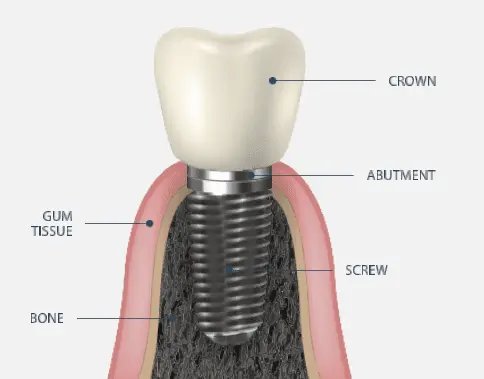
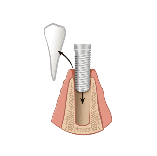
The implant, a small titanium post, is surgically inserted into the jawbone. Over time, it will fuse with the bone via a process known as osseointegration.

Positioning the Dental Abutment
Following implant placement, a several-month healing time is required. This lets the implant merge with the jawbone, resulting in a solid foundation for the replacement tooth.

Installing the Ceramic Crown: A Natural Replacement
After the implant has been completely integrated, a custom-made crown is attached. This completes the process, resulting in a functional replacement tooth.

Restore Your Smile with Dental Implants
If you’re considering dental implants to replace missing teeth, our experienced implant team can assess your needs and recommend the most suitable treatment. Book a consultation with our implant dentist in Inverness to discuss your options and take the first step towards a secure, natural-looking smile.
Frequently Asked Questions
Dental implants are posts made of titanium alloy that are surgically positioned into the jawbone. These serve as replacements for the roots of teeth and provide a stable foundation for artificial teeth like crowns, bridges or dentures.
Dental implants are created to be a lifelong solution. It is only the crown or denture on the implant that might need to be replaced every 10-15 years. The success rates of implants are mostly dependent on oral hygiene and maintenance.
Usually, dental implant procedures are carried out under local anaesthesia, and this helps to reduce pain during the process. Little or no pain may follow, except in the instance of swelling. It can be treated using over-the-counter pain relief and will usually resolve after some days.
Most healthy adults are good candidates for getting dental implants. The density of the jawbone is critical to achieve success of the implant. Other treatments may be needed for some patients with particular medical issues.
The usual dental implant process takes at least 3–6 months. This refers to the period commencing with the first placement of the implant, proceeding to the healing period of osseointegration/bone fusion and culminating in the final crown/bridge/denture placement to finish the restoration.
Dental implants offer numerous benefits. They restore chewing function, prevent bone loss, improve speech and boost confidence. With proper care, implants are a durable, long-lasting solution for missing teeth, enhancing overall oral health.
Caring for dental implants involves maintaining good oral hygiene, including brushing twice a day, flossing and using an antibacterial mouthwash. Regular dental check-ups and cleanings are essential to prevent gum disease and ensure the long-term success of your implants.
While dental implants are usually safe, potential risks include infection, implant failure, nerve damage or issues with bone integration. Following your dentist’s care instructions and attending regular check-ups can help minimise these risks and ensure successful outcomes.